2026
The 2025 sunflower season in the western regions of Ukraine turned out to be one of the most non-standard in recent times. Although the crop traditionally demonstrates stability and high profitability, weather conditions and phytosanitary risks forced farmers to reconsider their technological decisions literally "on the move".
 Features of the season: weather and white mould — the main challenges
One of the most tangible problems for producers was white mould, which developed actively during the crop's ripening. This not only complicated harvesting but also affected the quantitative and qualitative indicators of the harvest.
"The spread of white mould this year was extremely large-scale. During sunflower ripening we saw significant infection of the heads, and this directly affected the quality of the commercial seed and the speed of harvesting." — Ihor Rudenkyi, head of the Ternopil office of LNZ Group
The start of the season also took place under the influence of reduced temperatures. Because of this, farmers could not begin sowing at the usual dates, and the early development of the plants slowed down noticeably.
"The inter-phase periods of sunflower passed very slowly. The plants seemed to stand still, and only with rising temperatures did they begin to move further in growth," the specialist explains.
Sharp temperature fluctuations and excessive rainfall throughout the summer became the cause of the activation of a wide spectrum of diseases — and it was precisely this that made the protection system the key factor of success in the season.
Hybrid selection: stability as the main criterion
Although the market offers a large number of new solutions, farmers in the western regions of Ukraine remain faithful to proven hybrids, guided primarily by many years of results.
"Hybrid selection is always the result of local experience. Each farm looks at what actually works in their soil and climatic conditions. And in the western region for many years the leader by area has been the mid-season hybrid NK Kondi from Syngenta. This is one of the high-yielding hybrids with a high oil content."
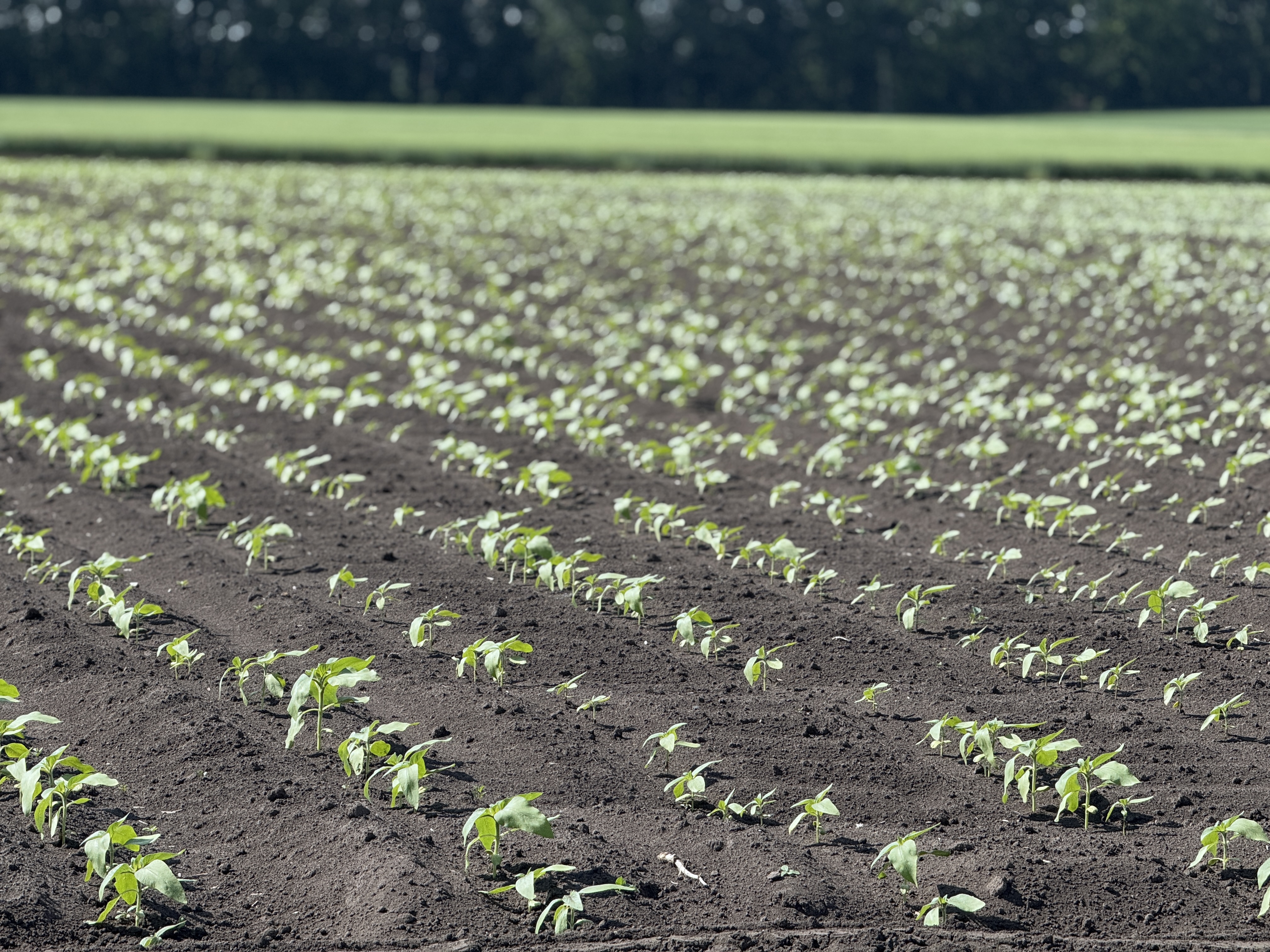 The key benchmarks in the choice remain stability across different years, adaptability to stress conditions and tolerance to the main diseases.
Phytosanitary situation: atypical diseases and threatening rots
In addition to white mould, in 2025 farmers encountered a problem atypical for the region — downy mildew.
"We had not seen such a number of downy mildew infection cases before. This was one of the most unpleasant surprises of the season," the expert emphasises.
Waterlogging at the end of the growing season caused active development of head rots. In a number of farms the share of affected plants was significant, which further complicated the ripening process.
Protection systems that worked best
Despite the cool start of the season, soil herbicides showed high efficacy. The best performer was the tank mix of the products Sora-Net (propisochlor, 720 g/l) and Idaho (terbuthylazine, 500 g/l) from the DEFENDA brand.
"Even at the low temperatures observed in spring, the soil herbicides worked very well. And for the control of broadleaf weeds the best solution was the scheme with Ailar (aclonifen, 600 g/l) and the Oil-Drift adjuvant," comments Ihor Rudenkyi.
Farmers built their fungicide protection, as a rule, on two applications, but due to prolonged rains at the end of the growing season and, as a consequence, the spread of fungal diseases, many farms added a third spraying.
Particularly effective in fighting downy mildew and secondary infections was the use of the product Ultralin (cymoxanil, 300 g/kg + azoxystrobin, 250 g/kg).
The most common mistakes of farmers
The season demonstrated that economising on protection systems in difficult years leads to significantly greater losses.
"Farmers most often make a mistake when they abandon soil herbicides or reduce the number of fungicide treatments. In 2025 this gave a very negative result in growing. The correct selection of active ingredients is critically important for sunflower protection."
Yield: below potential, but stable
The shortfall in the sum of active temperatures during the growing season limited the yield potential. However, farms that adhered to the technology preserved consistently good results. The average yield in the region was 3-3.5 t/ha.
"The weather factors were not easy, but those who had a quality protection system and the right hybrid got a decent harvest," notes Ihor Rudenkyi.
Despite the difficult conditions, the crop remained one of the most profitable for the region.
"The profitability of sunflower is an individual question for each farm, but overall in 2025 it is one of the most profitable crops. The costs are high, but the result is also high," the expert emphasises.
Prospects for 2026: what to pay attention to?
When planning the next season, farmers should focus on precise agronomic decisions. "Crop rotation, competent hybrid selection, an effective protection and nutrition system — these are the things that a farmer can build themselves. And it is precisely they that will determine the result of the 2026 season," advises Ihor Rudenkyi.
The 2025 season demonstrated that even the most resilient crop can become vulnerable to atypical diseases and weather challenges. However, the right technology, stable hybrids and well-thought-out protection made it possible to preserve high yield and profitability. Farmers who use a comprehensive approach and adapt technology to the weather conditions will be able to enter the new season successfully — even despite the unpredictability of climatic conditions.