2026
Cold weather during the mass flowering of apricots, cherries and peaches hindered the flight of pollinating insects, and the night drop in temperature to -3°C in places damaged the blossom.
Serhii Korniushenko, Agri-technology Development Manager for the Southern region of LNZ Group, spoke about the situation.
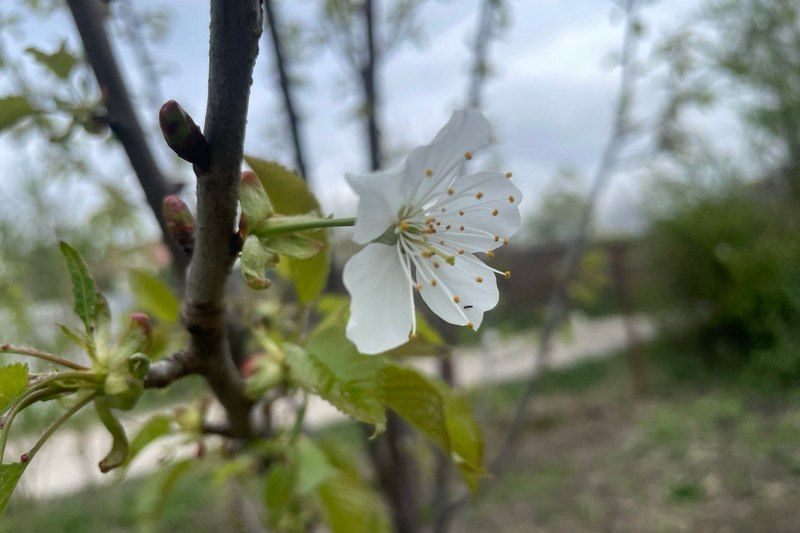 According to the specialist, the weather of recent weeks was extremely unstable. Daytime readings reached +15...+20°C, while at night the thermometer fell to sub-zero marks. This temperature regime coincided with the phase of active flowering of early stone-fruit crops.
"The situation is such that the sharp cold snap and fluctuations effectively 'covered' all the flowering — apricots and cherries suffered the most. When the peaches began to bloom, the bees did not fly because of the low temperatures, so normal pollination did not occur," notes Serhii Korniushenko.
The greatest losses are currently forecast for the early varieties of fruit trees. At the same time, regarding the mid-season and late varieties, the expert maintains cautious optimism. Mid-season varieties: are only now beginning to put out buds. Late varieties: have a chance to "slip past" the frost phase, which will allow normal pollination if the weather stabilises. However, the overall picture across the region remains difficult, as uneven pollination and thermal stress of the plants significantly reduce the potential yield of orchards in 2026.
Source: superagronom.com