2019
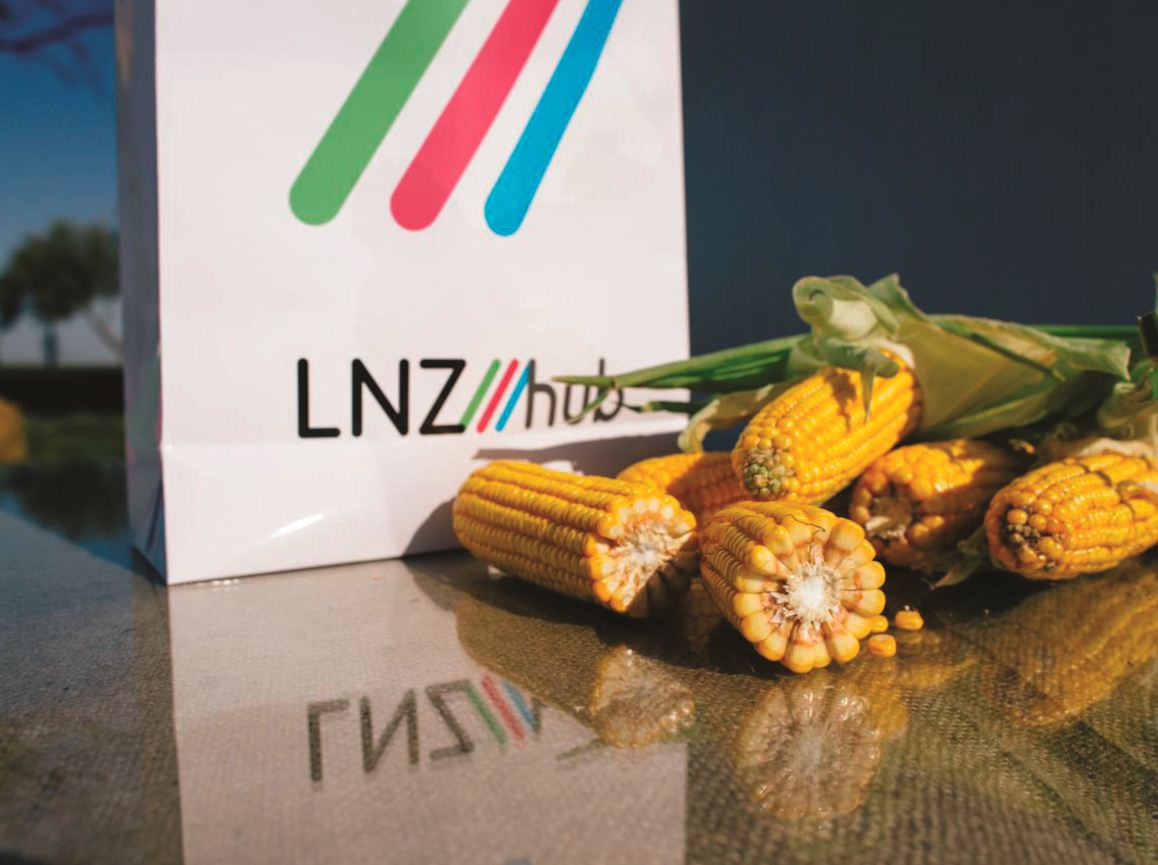
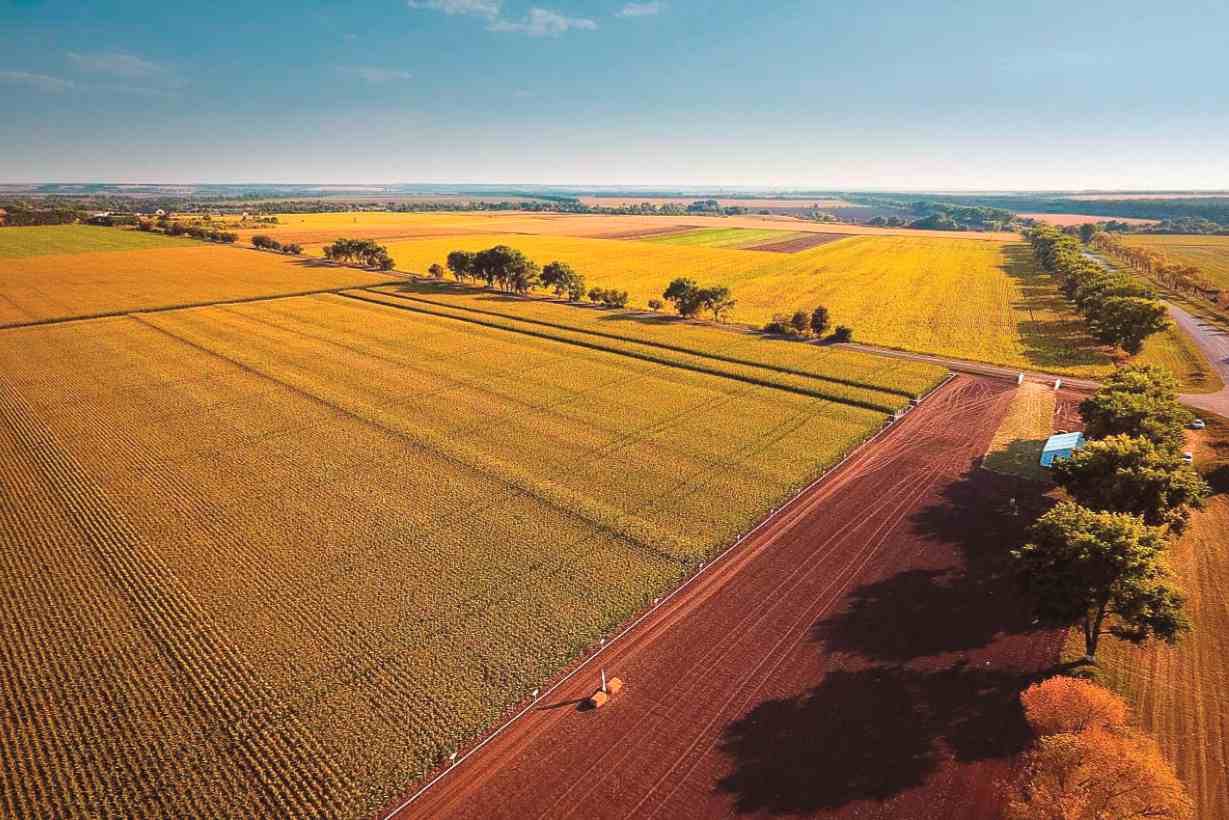
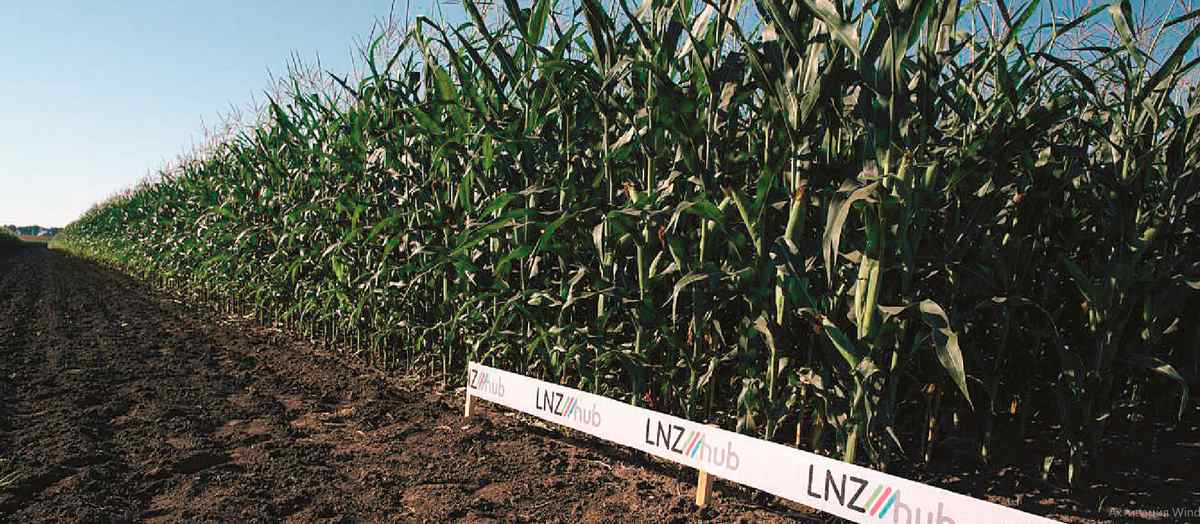
The modern intensive development of the agricultural business, significant competition, and changes in market conditions and in the needs of agricultural producers encourage every company operating in agricultural distribution to move from being a supplier of manufacturers' products to providing consulting and technological support to its partners, to focus on their needs, and to offer various solutions that ensure success in the near term, with forecasts and plans for the coming years. As a company that is developing intensively, particularly in distribution, we are also changing and looking for ways to become closer to our customers, to be a reliable business partner for them, to provide not only affordable, high-quality products but also to ensure stable development and constant technological and advisory support, and to help them obtain first-hand information from our research and demonstration fields, called LNZ-hub, and our production fields.
That is why, alongside the sales team, our partners are supported by leading specialists in agronomy, machinery and technology from our own agricultural production enterprises, as well as specialists from the Agrotechnology Department, who visit farms and their fields as needed and on a scheduled basis, and can diagnose and analyse more precisely and provide a high-quality technological solution.
Last year, as a replacement for traditional Field Days, we offered our customers a unique way to access our experience and become acquainted with the technological processes at the seed plant, the quality and specific features of our products, and technological solutions in field conditions – an event called LNZ-hub. In fact, LNZ-hub is free, personalised access to the fields over an extended period. In 2018 this period ran from 15 August to 15 September. This means our partners could choose any day convenient for them to visit, decide what exactly to focus on, what questions to ask and which aspects of our company's experience interested them, and talk with leading specialists and business owners. This year there will also be a classroom component, where round tables will be held daily to present and discuss the biological characteristics of crops, their cultivation technologies and the specifics of individual technological operations, where our partners can easily and conveniently discuss and hear answers to the questions that interest them.
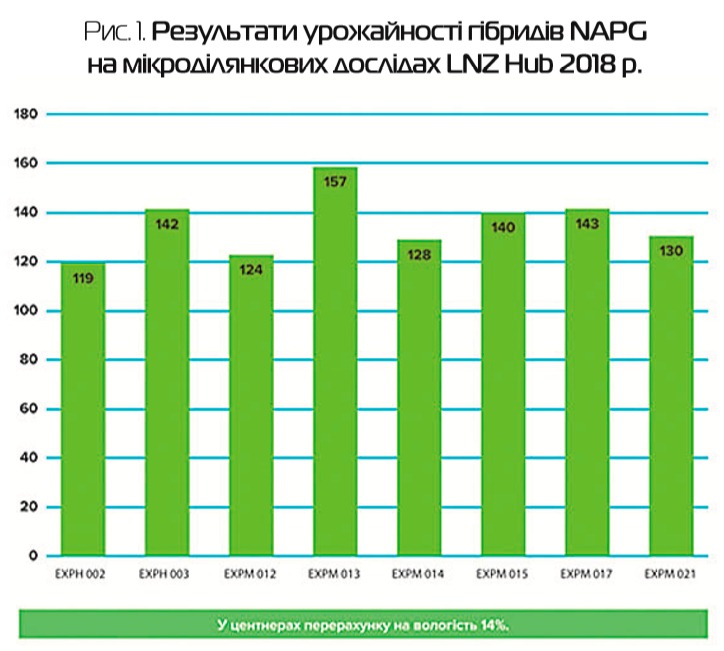
As part of LNZ-hub in 2018, we presented grain corn hybrids of North American and Canadian breeding (NAPG) and silage corn hybrids of breeding unique for Ukraine, which were selected on the world market as promising, primarily for meeting in-house production needs. The NAPG grain corn hybrids are bred for high disease resistance, resistance to lodging caused by pest damage, high yield potential, as confirmed by their harvest results (fig. 1.) and good moisture release, while remaining affordable in price. As we can see, the results obtained from hybrids of North American and Canadian breeding are quite high, which indicates their potential for Ukraine. However, we continue to search for better and more promising hybrids of this breeding, and research and production testing of these hybrids is currently under way. After all, yield level does not always determine the potential of hybrids. The key indicator for us and our partners is the net profit obtained per 1 ha of crop.
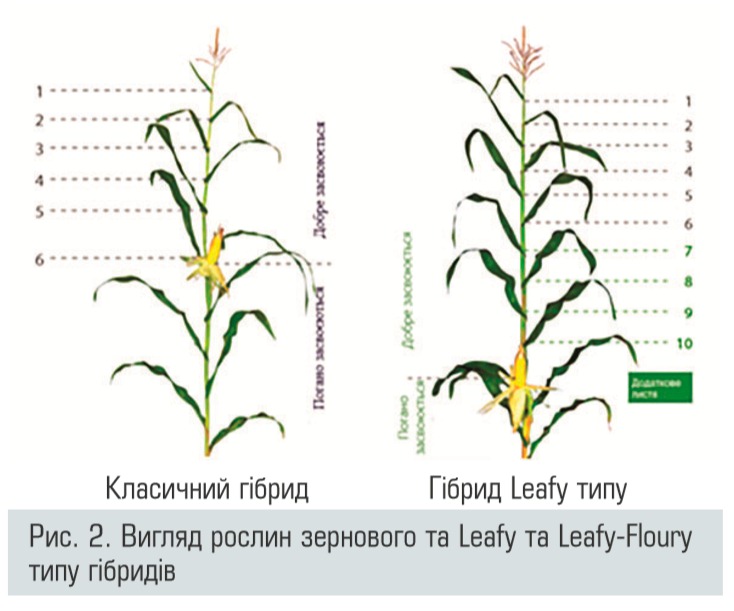
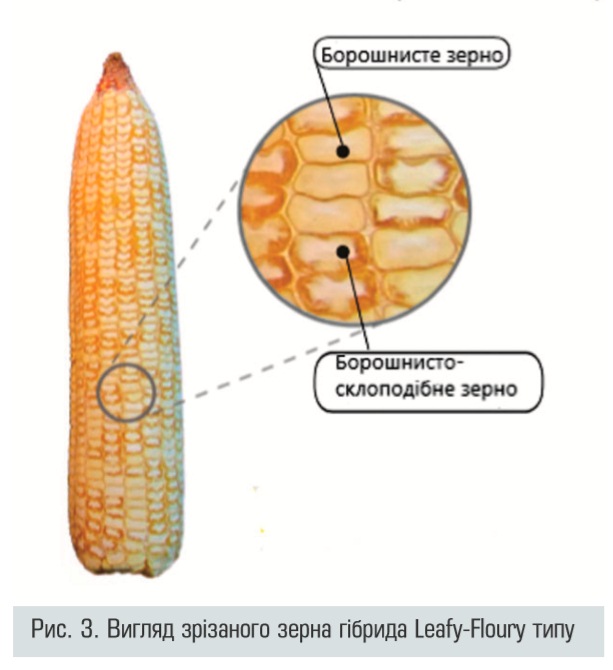
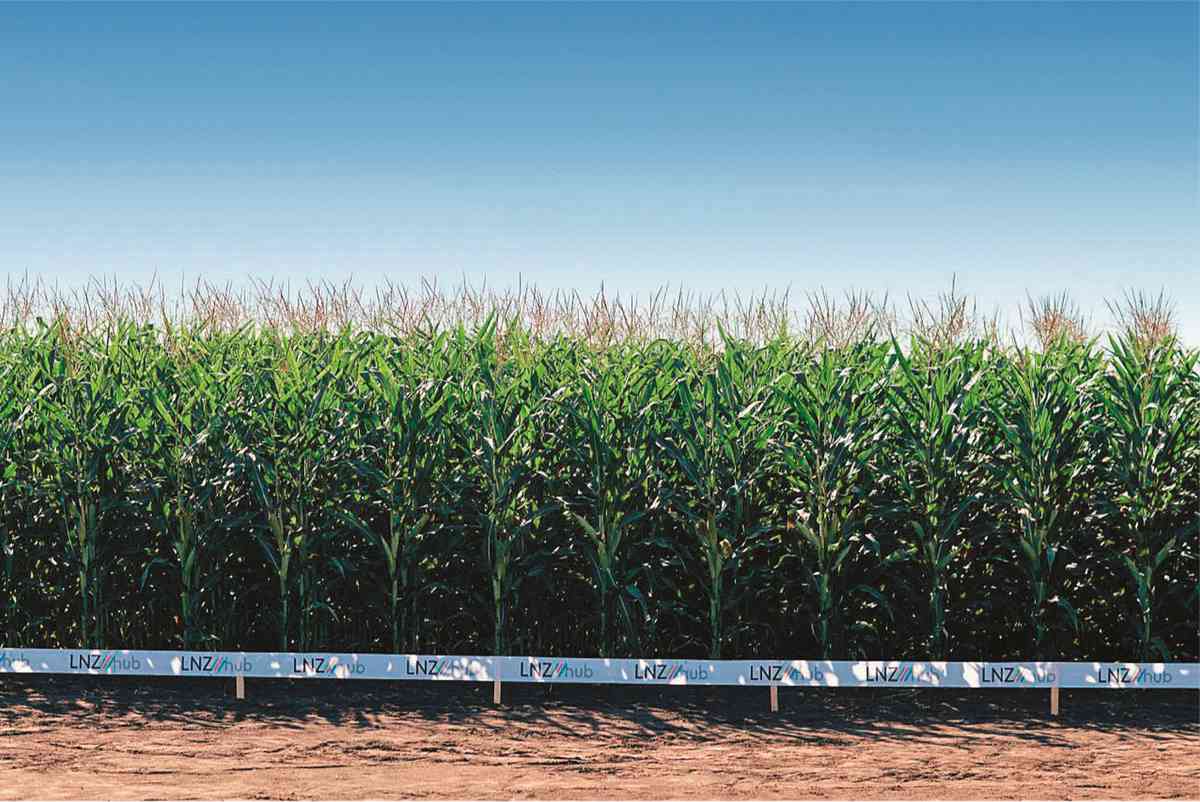
Silage corn hybrids of the Leafy and Leafy-Floury types are characterised by greater leafiness of plants; in particular, these hybrids form 10–13 leaves above the ear (fig. 2) and a significant part of the grain has a floury-flinty or floury endosperm structure (fig. 3), which significantly increases the digestible portion of the silage mass from this corn, as it has a number of valuable agronomic and technological properties.
In particular:
- rapid growth at early stages, resulting in earlier shading of the soil from direct sunlight;
- better soil coverage by the leaf canopy and, accordingly, better retention of soil moisture;
- high green mass yield potential;
- an increased number of leaves above the ear and, consequently, higher digestibility of the silage mass;
- floury-flinty and floury grain endosperm that breaks down easily under mechanical processing during chopping, ferments well in silage, is easily chewed by animals and better absorbed, resulting in higher milk yield quantity and quality;
- increased content of digestible starch;
- an optimal ratio between digestible, neutral detergent and effective fibre;
- an extended harvesting window;
- faster ensiling and, accordingly, earlier introduction into animal rations;
thanks to its feed and nutritional properties, the resulting silage can be used in various rations and for different age groups.
In production tests, the hybrids demonstrated high potential in various regions of Ukraine (fig. 4).
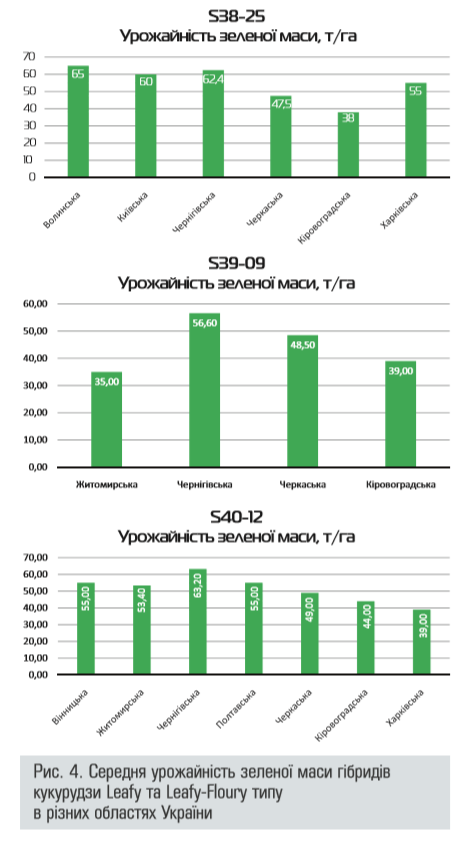
As we can see, the results obtained in test and demonstration fields of various farms in different regions indicate the high productivity of the hybrid types we selected for dairy and beef livestock farming, where silage is used intensively in animal rations.
Such a comprehensive approach and the involvement of specialists of various profiles allow us to focus more on our partners' needs, providing them not only with high-quality products tested in our own fields, but also with technological, science-based advisory, test-and-demonstration and informational support, so that together we are successful on the market and maintain long-lasting friendly relations.
Source:
Agro Department of LNZ Group
SEEDS: THE GOLDEN FUND OF THE HARVEST, Agroexpert