2026
This spring, weather conditions for crops in the western region of Ukraine turned out atypical. First there were low temperatures and the plants were under stress, then a drought began that did not favour growth and development. And the main problem was insufficient moisture supply.
This was stated in a comment for SuperAgronom.com by Yurii Yakubchuk, DEFENDA brand manager in the Lviv region.
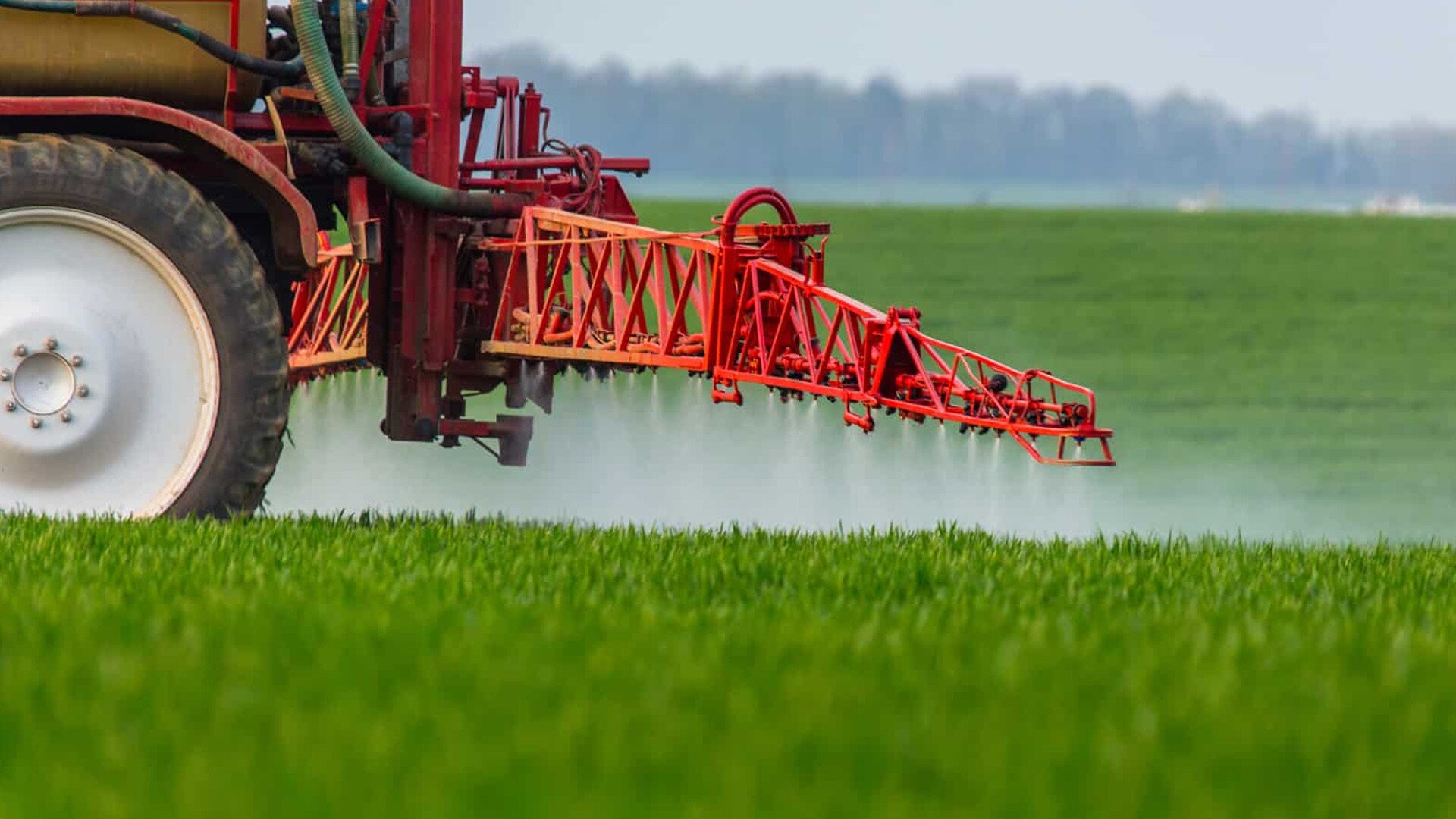 According to him, soybean, for example, is currently at the first trifoliate leaf stage. And due to the moisture deficit, in places the crop's emergence is in poor condition. Moreover, for the same reason, on some farms the soil-applied schemes worked only partially.
"Where more rain fell and there was moisture, the soil herbicides worked better. But in some districts no more than 10 mm of precipitation fell over three months. On the whole the soil-applied schemes worked, but under such conditions their efficacy decreased. Because for the protective screen to hold, you need warmth and moist soil. Whereas this spring was cool and drier than, for example, last year's," the specialist says.
Accordingly, the emphasis in weed control on the same corn shifted to post-emergence schemes. As Yurii Yakubchuk noted, the product Paldis (tembotrione, 200 g/kg) performed well here. It is a post-emergence systemic herbicide, partially controls annual broadleaf and grass weeds, effectively affects volunteer sunflower, as well as such a noxious weed as common milkweed.
"The product works together with an oil adjuvant. Traditionally the Paldis rate is 0.5-0.6 l/ha plus the Oil-Drift oil adjuvant at 1.5-2 g/ha. The first signs of effect appear after about five days, the weed starts to lose colour. Full action appears after about 14 days," Yurii Yakubchuk notes.
He adds that the product's effect is better on sunny days and stable warm weather. And the main thing is not to let the weed become overgrown, as it is harder to control. For this, monitor the fields more often, apply the product at optimal times, and generally approach protection technology comprehensively, taking into account regulations, conditions and the state of the crops.
Source: superagronom.com