2026
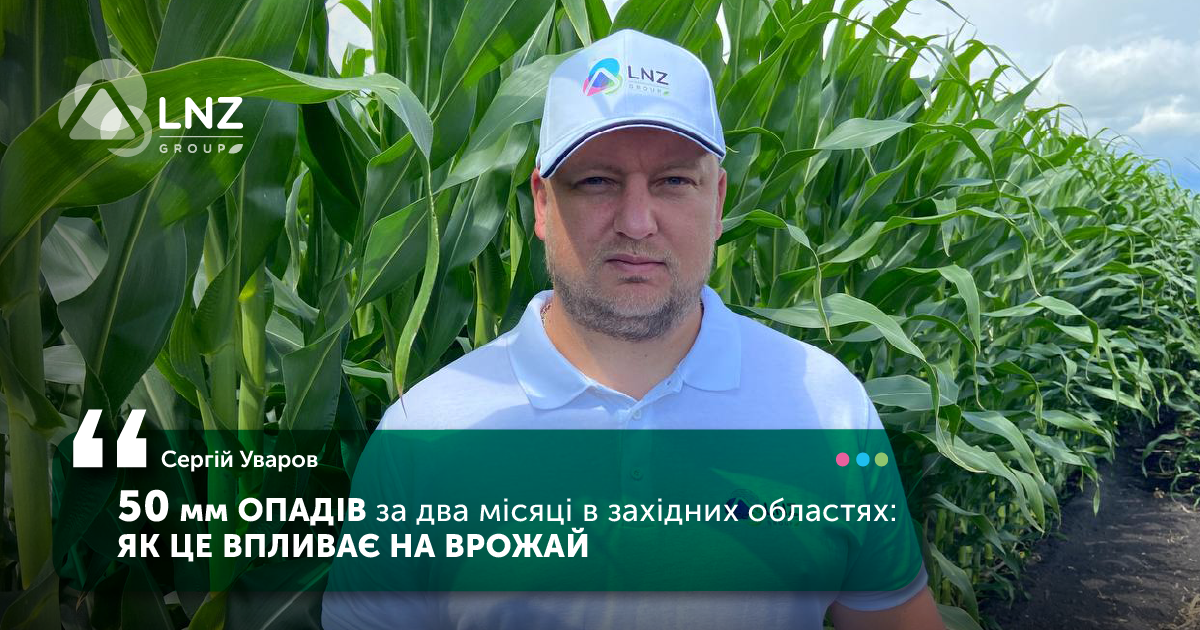 The main row crops — corn and sunflower — are currently in a more or less satisfactory condition in the western regions of Ukraine, but the lack of rainfall is affecting plant development. The moisture shortage is especially evident in corn sowings.
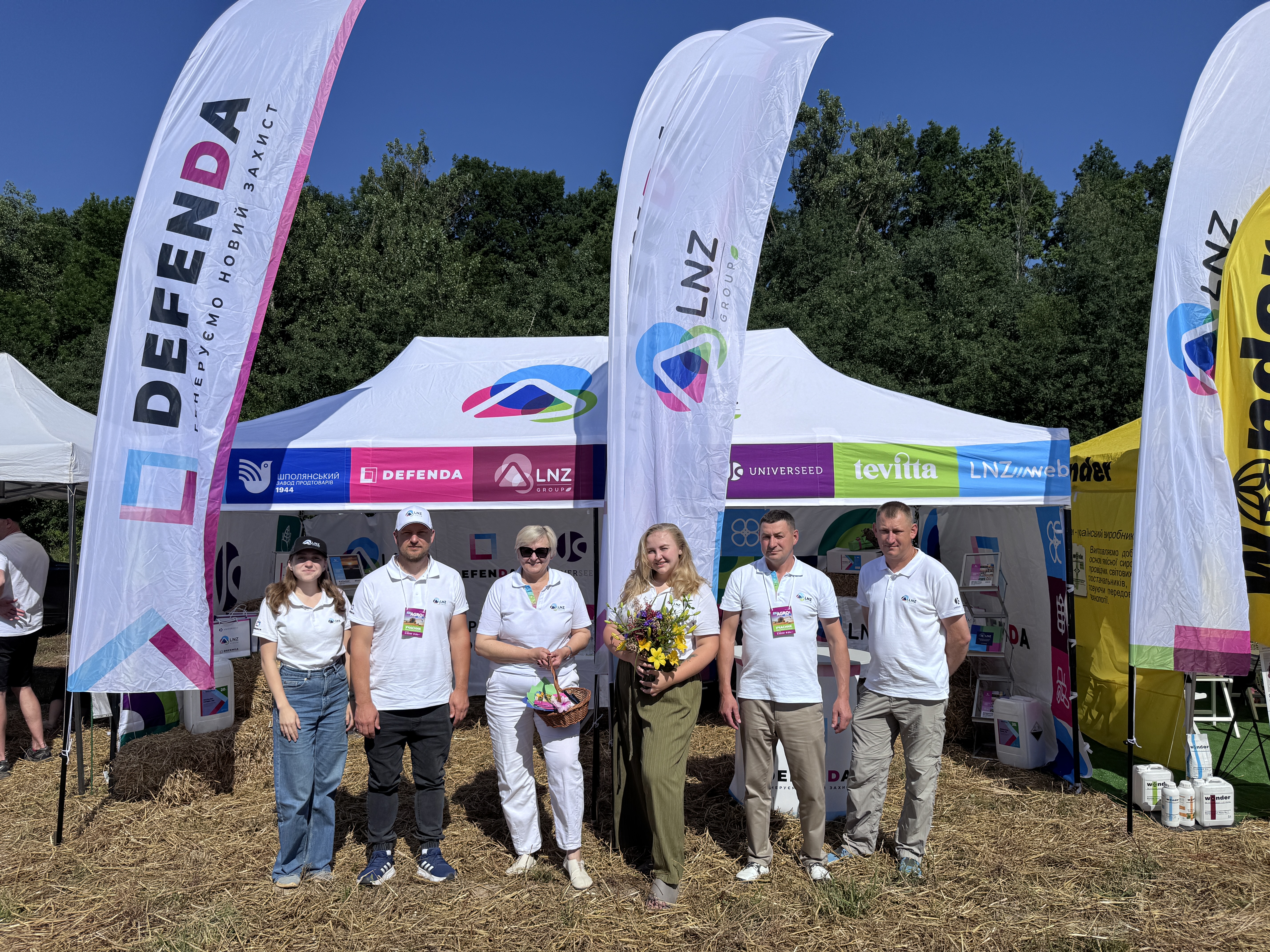 This was reported to AgroPortal.ua by Serhii Uvarov, Technology Development Manager for the Western region of LNZ Group, during a Field Day in the Lviv region.
"Over two months in the western regions, not counting June, 50 mm of precipitation fell. In June 35-40 mm fell. But this period is accompanied by high temperatures, and so the cultivated plants are under stress, especially corn," notes Serhii Uvarov.
He noted that so far the weather conditions are not optimal for the active development of diseases — there is not yet the air humidity and temperatures that would favour the development of harmful organisms in the crops. However, septoria is already observed on the lower leaves of sunflower.
"It all depends on the previous crop. Take sunflower for example: in many places it is observed that it was sown after soybean, and given that these two crops share common diseases, fungicides need to be applied preventively to control their possible development. From the DEFENDA portfolio, the most effective are the fungicide Radical (boscalid, 500 g/kg) and Radical Neo (azoxystrobin, 250 g/l + boscalid 150 g/l). But, given the weather conditions with high temperatures and lack of moisture, one should be more careful with the active ingredient azoxystrobin, and it is better to combine boscalid with triazoles or other active ingredients to improve efficacy and achieve maximum protection."
 Serhii Uvarov says that against sunflower downy mildew, which was observed last year throughout Ukraine, the most effective product in the DEFENDA line is the fungicide Ultralin (cymoxanil, 300 g/kg + azoxystrobin, 250 g/kg). This product provides the greatest efficacy in controlling this disease.
Cereal aphid is already present in pea and sunflower crops, and it is advisable to control this pest and apply insecticides even preventively, because temperature swings and moisture affect aphid development. Insecticides with contact-systemic action should be chosen.
From the DEFENDA line Serhii Uvarov recommends the following products to solve this problem:
- Octant Turbo (thiamethoxam, 141 g/l + lambda-cyhalothrin, 106 g/l).
- Bombardier Duo (imidacloprid, 300 g/l + lambda-cyhalothrin, 100 g/l).
- Presto (clothianidin, 200 g/l + lambda-cyhalothrin, 50 g/l).
- Against diamondback moth, which was already observed in rapeseed crops this season, the most effective products are Kairos (flubendiamide, 480 g/l) and Presto (clothianidin, 200 g/l + lambda-cyhalothrin, 50 g/l).
Serhii Uvarov also said that this season a new product from the DEFENDA line has gained popularity — the post-emergence systemic herbicide for controlling a wide range of annual broadleaf and grass weeds in corn, Paldis (tembotrione, 200 g/kg). The application stage of this product is from 2 to 8 leaves, so it has a wide application window and controls a broad range of weeds. Paldis is also highly effective against common milkweed.
Source: agroportal.ua