2025
 In August the eighth season of the LNZ Hub agricultural demonstration platform starts — an event that every year gathers farmers from all over Ukraine to show not just products, but technological solutions tested in real conditions. This time the key idea of the hub is adaptability. And the symbol is 8, as a designation of the infinity of solutions for each specific farm.
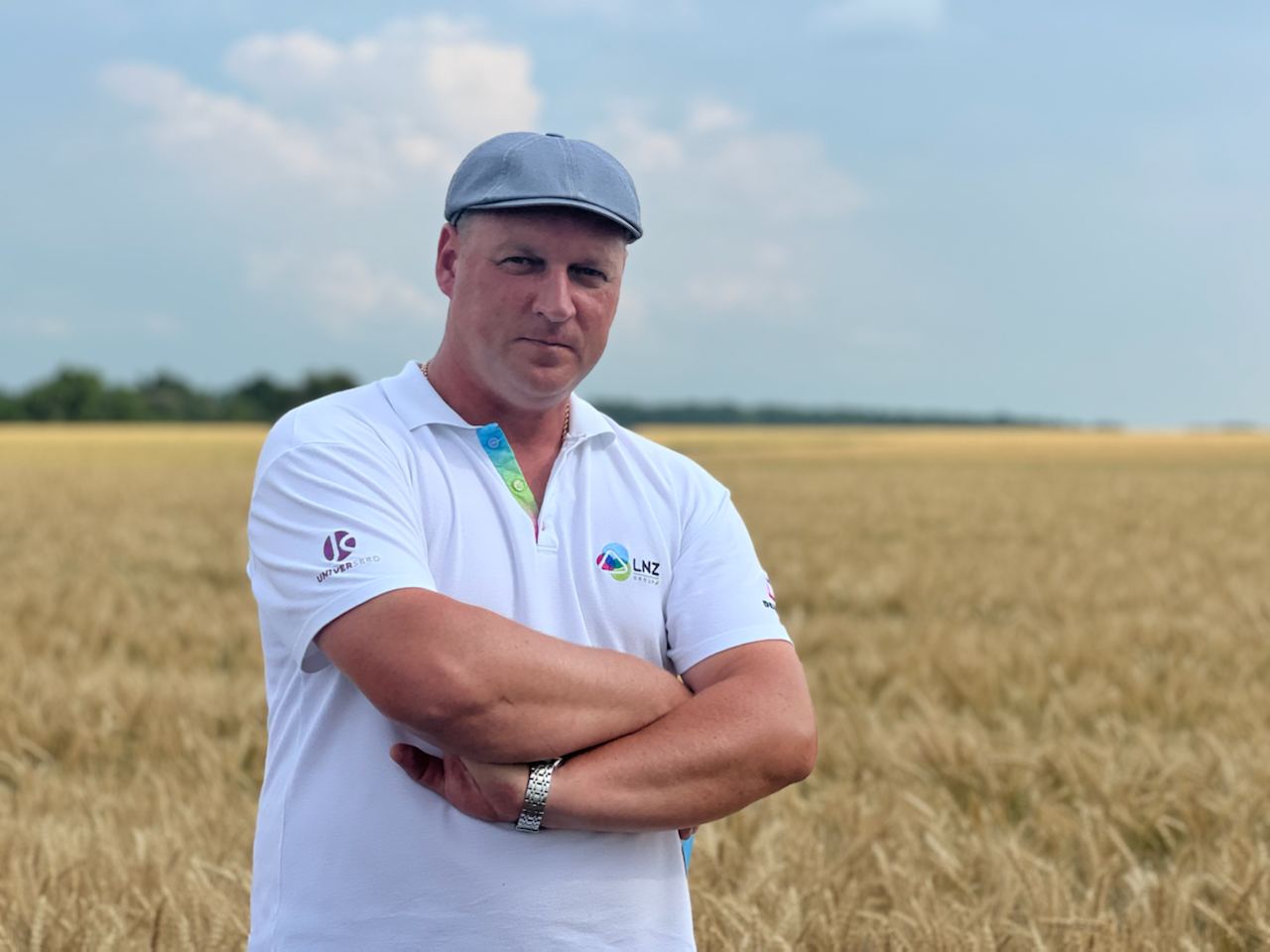
Oleksandr Khmeliuk, head of the LNZ Group agro department, relates exactly how the work at the hub is organised this year, which trials have been set up and what has already been possible to see.
 Location, crops, studies
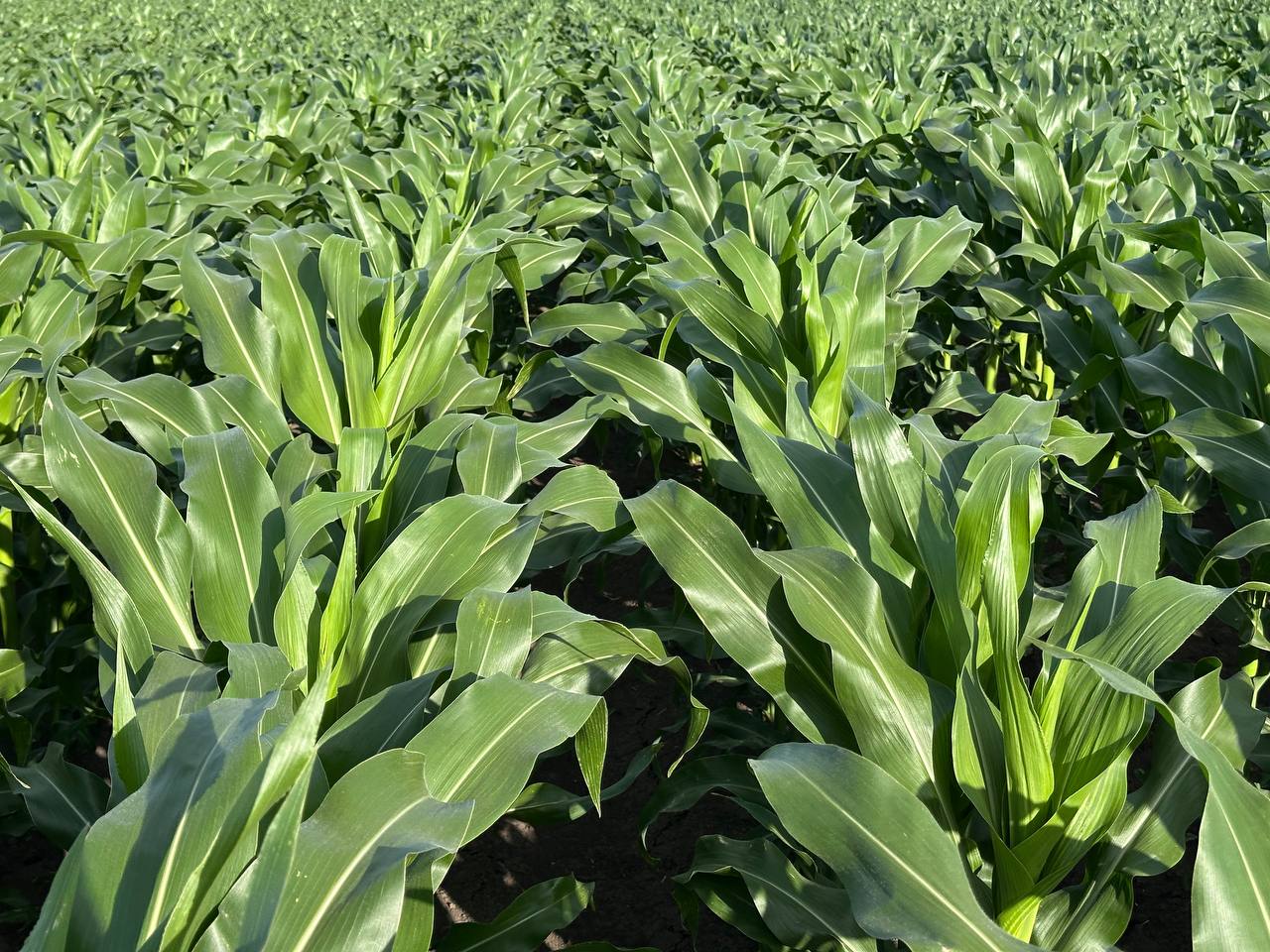
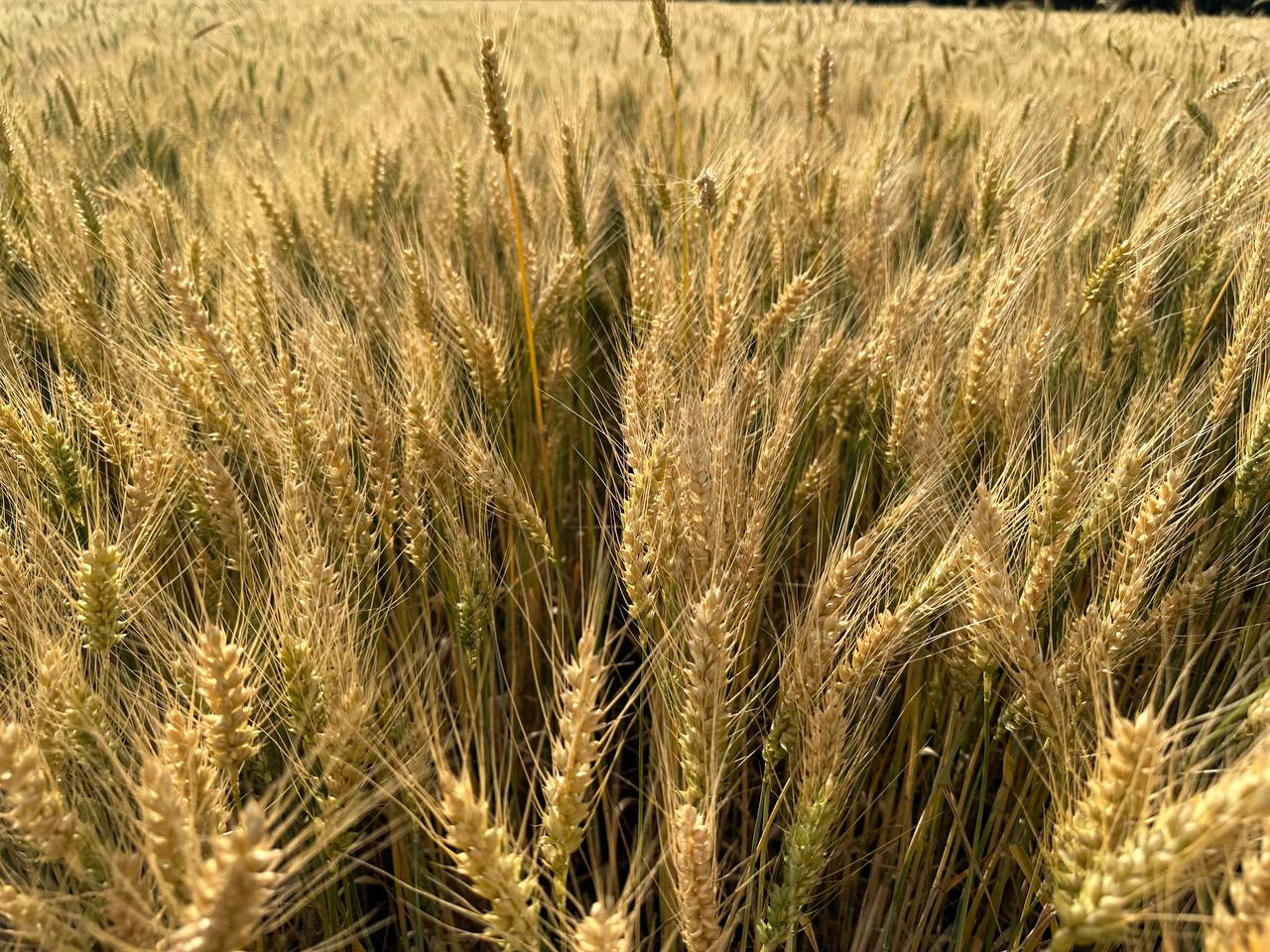
The field hub is located 4 km from the town of Shpola. In 2025 four main crops have been sown here: sunflower, maize, soybean and winter wheat. 4 hectares have been allocated for each crop.
"In total over 200 trial plots have been laid out. For example, on winter wheat — 32 plots, where we show a range of varieties, sowing methods and quality, herbicide and fungicide protection, growth regulation and foliar nutrition," says Oleksandr Khmeliuk.
On soybean — 30 plots with varieties and herbicide protection schemes. The most variants — on sunflower (70 plots) and maize (another 70). On these crops they study not only the hybrids and protection technologies, but also laid out crash tests — deliberately permitted deviations from the application regulations for understanding the risks and demonstrating the consequences.
Adaptation to the regions is not a formality, but the basis of the approach
One of the main rules of the LNZ Hub is no route "for everyone". The team adapts the programme depending on the region from which the group of farmers came. This means that farmers do not spend time on the examination of irrelevant schemes, but concentrate on those solutions that really work in conditions similar to their own.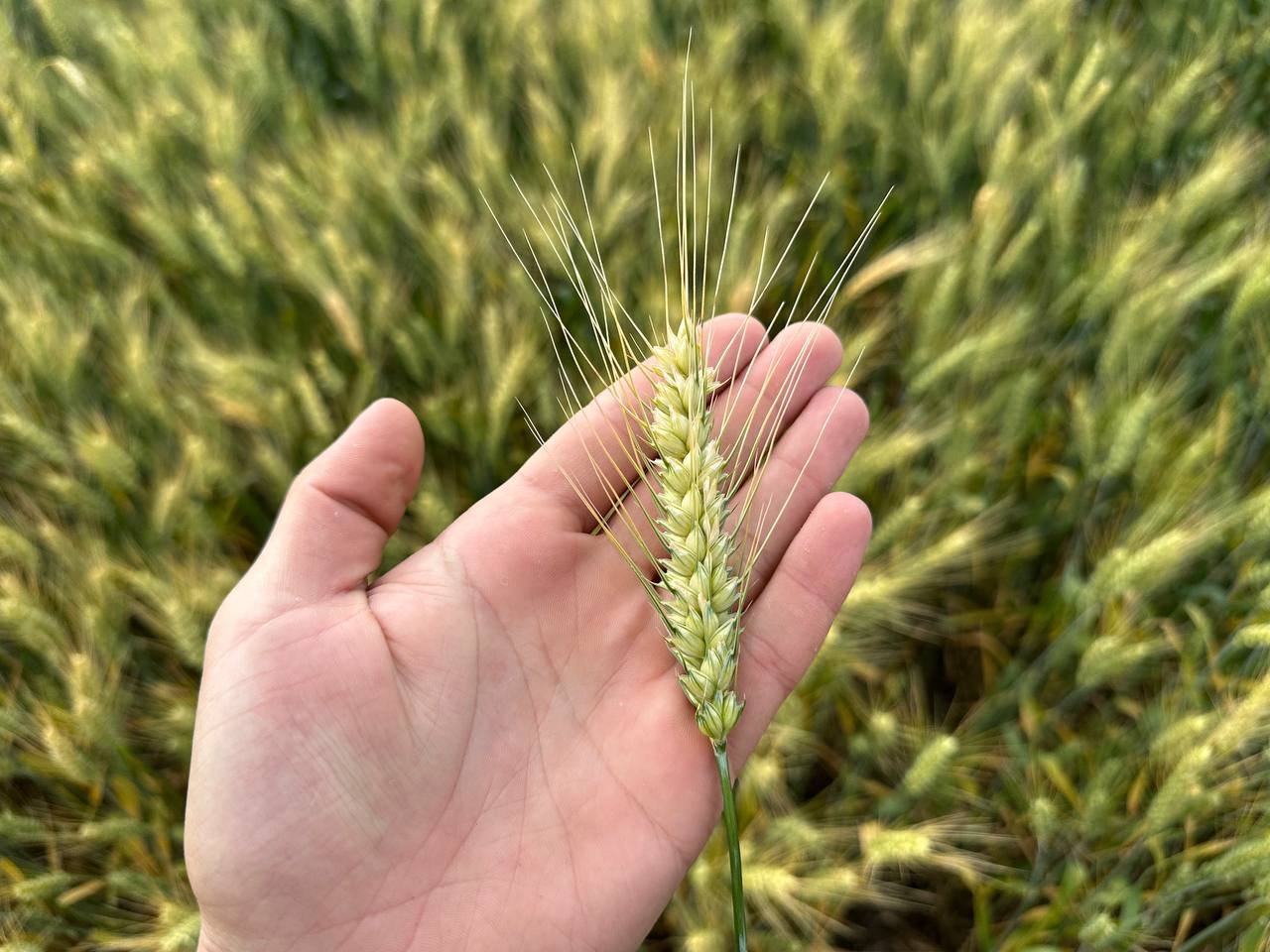
"We often have it that a farm from the south comes — and we show exactly those hybrids or protection systems that withstand high temperatures, moisture deficit, adapted to their conditions and technologies. This is a completely different conversation than an overview of the whole field or with farmers from the western or northern regions," explains Oleksandr Khmeliuk.
"LNZ Hub is not a show and not a field day in the classic sense. We do not tell farmers what 'should be done'. We show options. Combinations. The influence of phases, rates, conditions. We give an infinity of solutions — and everyone chooses their own. That is exactly why the figure eight became the symbol of LNZ Hub 8.0: infinity in the examples, but clarity in the conclusions," adds Kateryna Hrechana, head of the LNZ Group marketing department.
The weather conditions of 2025: a cold spring and a careful sowing
This year's spring turned out to be a difficult one: first — an early warming, and then — sudden frosts.
"At the end of April it was down to -5 °C, which significantly affected the winter wheat. Until 20 May fairly cool weather held, so we sowed the spring crops later — in the third decade of May, avoiding the risk from the cold," relates Khmeliuk.
According to the specialist, the weather conditions at present are favourable, especially for spring crops. The moisture reserves in the soil were at a level of 150 mm, plus an additional 150 mm of precipitation in April-June provided good starting dynamics of development.
What is studied in each block?
The aims of the studies are purely applied.
 The LNZ team does not just show products, but tries to give answers to the typical questions of agronomists in the field.
"In the herbicide and fungicide blocks — we compare schemes: which work, which are economically justified. On the crash tests we show what should not be done — and to what risks it leads, when such decisions need to be made. And the foliar nutrition block — this is about the importance of precision in the doses and phases of application," comments Oleksandr Khmeliuk.
In particular, the following are demonstrated:
- different phases of fungicide application;
- plant stand densities in maize;
- the effectiveness of foliar nutrition on sunflower;
- variations of tank mix rates.
What is already visible in the field?
Some schemes have already shown their effectiveness.
"The soil and post-emergence herbicides performed excellently: the crops are clean, without competition from weeds. The soil products controlled the first wave of weeds, the post-emergence ones — the second, which began to appear after 6–8 weeks," says the head of the agro department.
These first results are especially important in the conditions of a cold spring, when the growth rates of the crop were slowed, and the aggression of the weeds could quickly "eat up" the starting resources.
Variety testing — in observation mode
 It is still early to evaluate the varieties.
"Yes, we carry out variety testing — this is a standard for us, because the hybrid market is very dynamic. But at present there has been no influence of stress factors, the reproductive period has not yet set in. It is still early to draw conclusions — we are observing," noted the specialist.
Crash tests: how not to, but sometimes one has to do it that way
This year 19 crash tests were laid out on sunflower, on maize — another 7.
These are plots where the technologies are deliberately violated.
"The main aim is to show what will happen if a product is applied outside the regulations: at a late phase, to apply an unsuitable tank mix or products not registered for the crop. These are direct risks of yield loss," explains Khmeliuk.
One of the typical examples is the application of a herbicide on sunflower at the 5-6 pairs of leaves phase. Within the regulations — this is already late. As a result: whitening of the leaf edges, growth suppression, a decrease in photosynthetic activity. Another example is a tank mix of two incompatible products, which on maize led to the dying-off of part of the leaf blade or burns. It is exactly here that the specialists carefully recall: even a quality product does not guarantee a result if the phase or method of application is chosen incorrectly.
When will the results be available?
Interim conclusions will become available as early as August-September.
"They can be viewed on our YouTube channel or directly in the field — come and see everything with your own eyes," sums up Khmeliuk.
LNZ Hub 8.0 is not a demonstration for the sake of effect, but applied work with conditions well familiar to farmers. Here they test not only technologies, but also real risks. And it is exactly in this that the practical value lies. If you want to see how a specific scheme works in a specific soil — in Shpola they will be waiting for you.