2025
 Sharp fluctuations of spring temperatures (in some regions the fluctuations over a day amounted to more than 20 °C) had a negative effect on the development of winter wheat. The plants are under stress, the growing season is slowing, but there are as yet no irreversible changes. Correct support and agronomic measures can help the emergence recover.
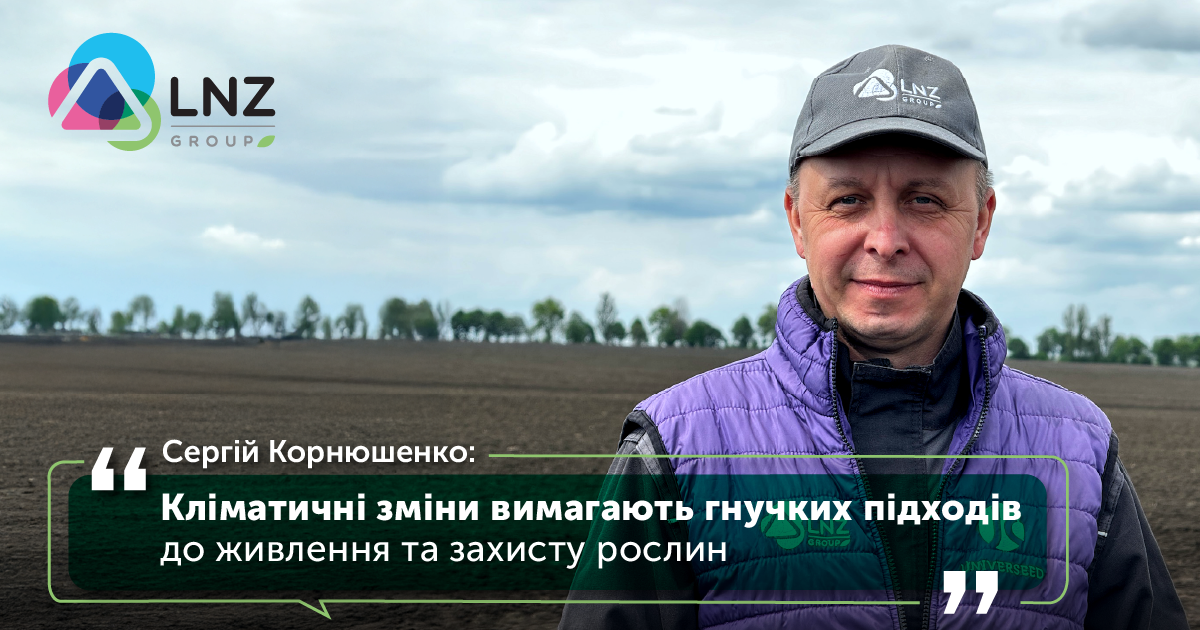
This was related to AgroPortal.ua by the agri-technology development manager in the South-eastern region of LNZ Group Serhii Korniushenko.
There is still time for "swinging up" the root system and recovery
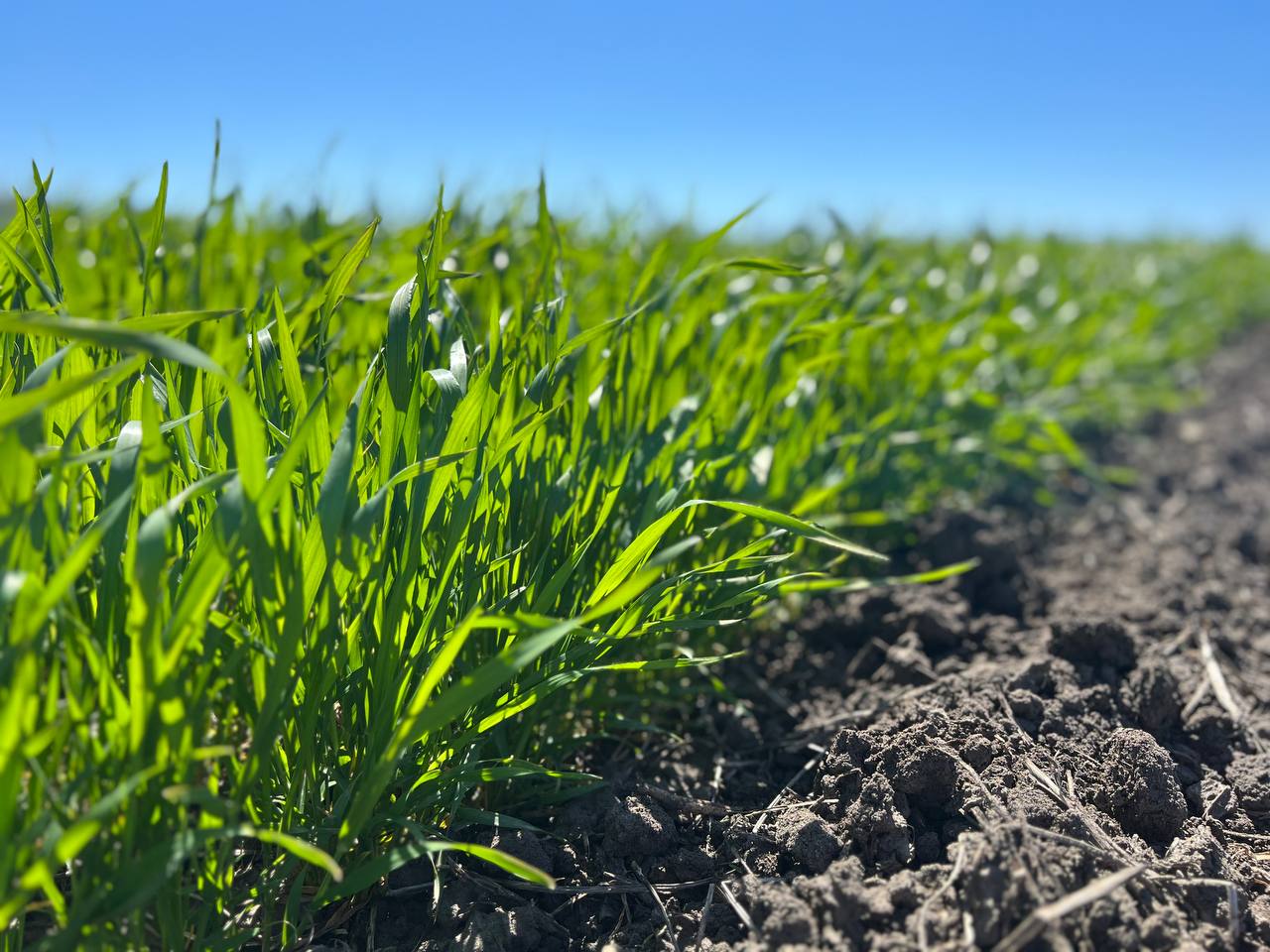 The minimum temperature for wheat development is +4 °C, night frosts slow it.
"Last year, because of similar temperature fluctuations, weak plants in places even skipped the next development phase, that is, did not tiller. Now the wheat is at the stage of intensive tillering, since it entered the winter weak. Monitoring of the fields, carried out on 20 March, showed: the emergence that was lagging in development already has an additional 2-3 stems, but not all of it," notes Serhii Korniushenko.
During March one can still plan operations to strengthen the emergence.
Serhii Korniushenko, agri-technology development manager in the South-eastern region of LNZ Group: There is still time for "swinging up" the root system and recovery. In such a weakened state the consumption of fertilisers by the plants is not the most effective. It is better to give the emergence products with amino acids, in order to bring them out of stress as quickly as possible. Already from this week the temperature is stabilising, so it will be possible to apply growth stimulants.
A mild winter — many diseases
According to LNZ Group data, about 90% of the winter wheat crops are in a satisfactory state. However, because of the mild winter, diseases and pests are expected, together with the weakened state of the emergence this can have a negative effect on the harvest.
With the rise in temperatures diseases will come too, in particular, in some fields we already observed signs of primary septoria. More pests are also expected, in the shelterbelts their larvae have successfully overwintered. So the fight against pests will be one of the priority tasks of agronomists this season. Last week in the Mykolaiv region frit flies were already encountered. With a rise in temperatures they become active, so it will be necessary to fight them intensively and act preventively.
It is especially thoroughly worth monitoring the fields in the coming days, because with the rise in temperatures even small precipitation promotes the development of fungal diseases. Thus, in the Dnipropetrovsk region only 0.5-1 mm of precipitation fell, but this turned out to be enough for the start of fusarium.
Attention to every field
As expected, this spring the field work started significantly earlier, this is the consequence of climate change.
"Last year they went out into the fields in April, and now they are already sealing in the moisture. In the Odesa region some farmers have begun to sow sunflower," adds the specialist.
In connection with climate change, every field in every region requires a special attitude, there is no standard protection scheme for all. Therefore most domestic agricultural enterprises are changing their standard approaches to plant nutrition and protection to more flexible ones. LNZ specialists monitor the fields, propose optimal solutions and immediately provide products for protection.
Thus, the specialists note that in 30% of the reviewed fields there are overwintering weeds, which already need to be covered with herbicides, while the fungicide and insecticide treatments can be postponed. For if the weed overgrows, then it will take nutrients and moisture from the wheat. This is better not to allow. Moisture needs to be preserved to the maximum.