2025
Farmers of the southern regions this year are betting on winter wheat, while reducing areas under rapeseed. This was reported by the agri-technology development manager for the Southern region of LNZ Group, Serhii Korniushenko, in a special project on Latifundist.com.
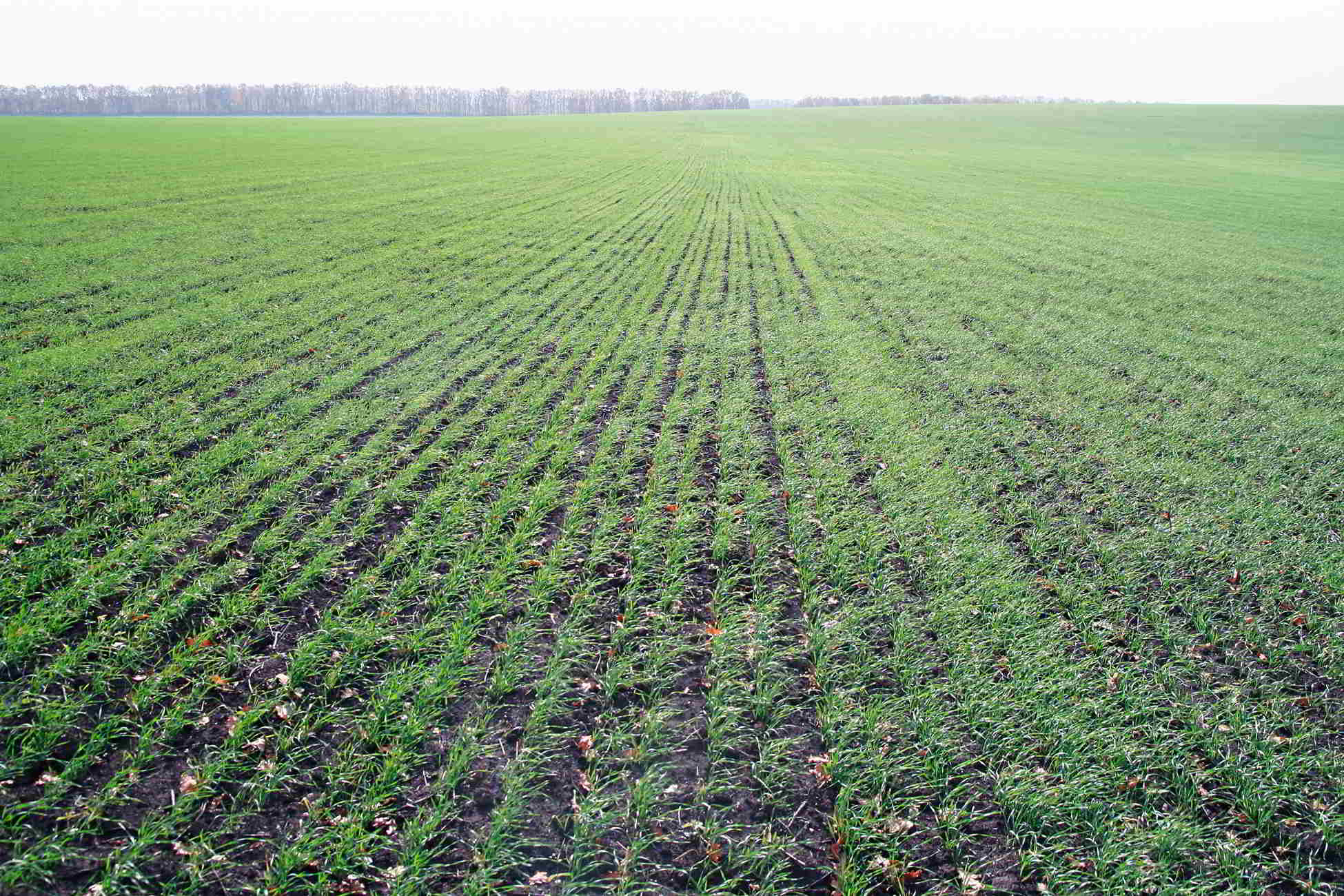 According to him, due to the prolonged drought, winter crops here are sown into dry soil. "The absence of moisture made its adjustments. If wheat can lie in dry soil and produce emergence even in December, in that case there are chances of obtaining a harvest. But with rapeseed it is different: if there is no emergence by the end of September, then there is no longer any point in 'running after the last train'," he explained. Sowing in the South started at the beginning of September and in parallel coincides with the harvesting of sunflower — the main previous crop for wheat.
"Dragging out the harvesting campaign automatically postpones the sowing dates too, which can stretch to the beginning of October," noted Serhii Korniushenko.
And he added that another feature of the campaign is the abandonment of fertilisers, since in the absence of moisture they simply do not work. Also, more and more enterprises are switching to minimum tillage or No-Till in order to accumulate and preserve winter moisture.
"This year the situation is almost the same as last year: in the eastern, southern and partly central regions there is no moisture either in the upper or in the deeper soil layers. Only in places did local rains pass, which slightly improved the condition. In general, the conditions remain very difficult," said the scientist and farmer Serhii Avramenko.
According to him, the optimal sowing dates are already passing and the period of late ones is beginning. Under such conditions only shallow seed placement is possible — at 2-3 cm, sowing deeper is not allowed. He also advises applying minimal doses of seed treatments and selecting less phytotoxic products. One can limit oneself to only the fungicide component, since the insecticide one in dry soil no longer has an effect.
"It is acceptable to sow in dry ground and wait for rains. This does not carry the risk that there will be provocative moisture and the seed will germinate and then die, since the high temperatures that could cause such a problem will no longer be there," the expert summed up.