2019

The largest yield losses of winter rapeseed caused by pest damage are due to Ceutorhynchus weevils – 55 %, while the pollen beetle accounts for 20 %, the turnip sawfly – 10 %, and all others – 15 %.
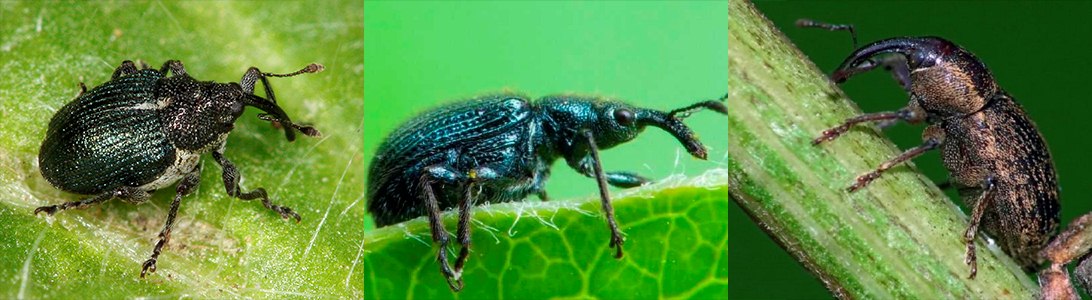
Winter rapeseed crops are damaged by the turnip gall weevil, the cruciferous weevil, the rape stem weevil, the cabbage stem weevil and the cabbage seed weevil.
The turnip gall weevil and the cruciferous weevil appear in autumn. In early spring, at temperatures of only 4-6°C, the cruciferous weevil develops. After it, once temperatures rise above 6°C, the rape stem weevil begins to appear. Next, at 8-9°C, the cabbage stem weevil appears. During flowering and the formation of generative organs, rapeseed is damaged by the cabbage seed weevil.
Name | Time of appearance | Economic threshold | |
Turnip gall weevil | Ceutorhynchus pleurostigma | Late August – early September | |
Cruciferous weevil | Ceutorhynchus picitarsis | 4-6 оС, first of all the others | 10 beetles per 1 trap over three days |
Rape stem weevil | Ceutorhynchus napi | Starts at 6 оС, mass appearance at 9-12 оС | At the beginning – 10 beetles per 1 trap over three days. During mass appearance – 2-4 beetles per 25 plants. |
Cabbage stem weevil | Ceutorhynchus quadridens | In early April, when the temperature reaches 8-9 оС | 20 beetles per 1 trap over three days or 4 beetles per 25 plants |
Cabbage seed weevil | Ceutorhynchus assimilis | At the beginning of flowering, at temperatures above 13-15 оС | At the beginning of flowering – 1 beetle per plant, during flowering – 1 beetle per 2 plants |
Monitoring winter rapeseed for Ceutorhynchus weevils requires frequent field inspections, taking the temperature regime into account.
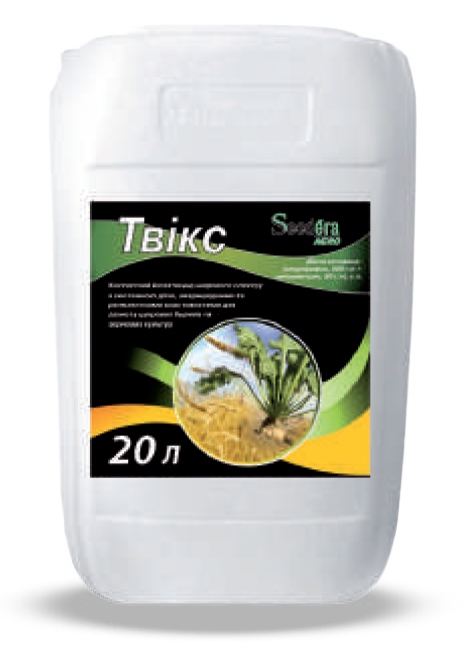
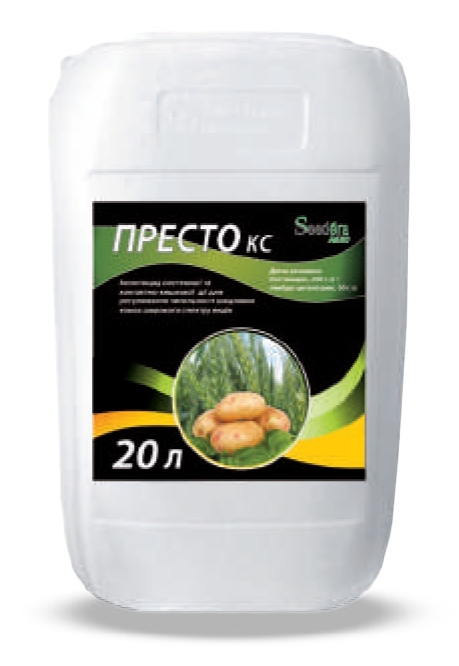
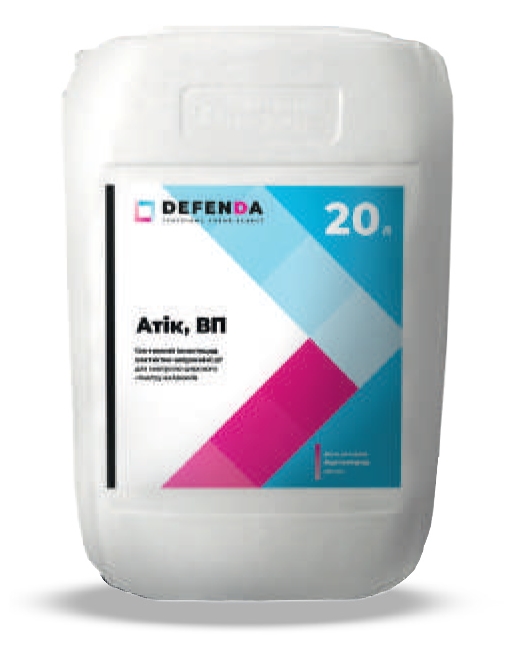
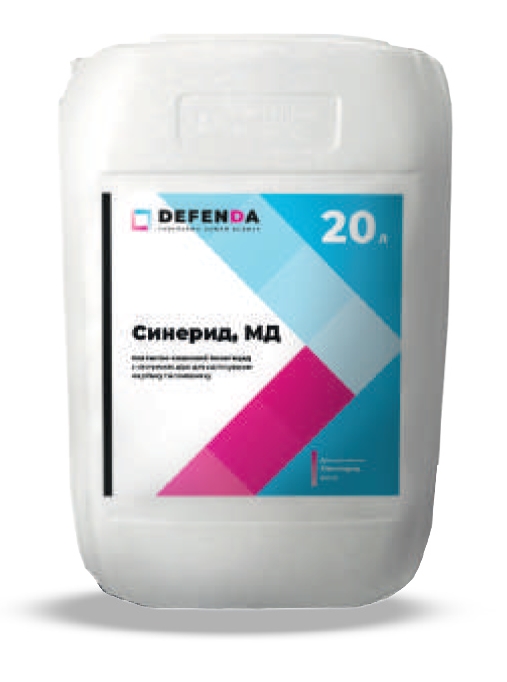
An effective control measure is the application of insecticides. In early spring, under low temperatures of +5 °C and above, the most effective option is the insecticide Tviks (chlorpyrifos 500 g/l + cypermethrin 50 g/l) at a rate of 1,-1,15 l/ha. As temperatures rise, you can apply Presto (clothianidin 200 g/l + lambda-cyhalothrin 50 g/l) 0.3-0.4 l/ha. During flowering – Atik, WP (acetamiprid 200 g/l) 0.1-0.12 kg/ha or Synerid, OD (thiacloprid 240 g/l) 0.3-0.4 l/ha, which stands out for its long protection period of up to 30 days (sometimes even longer).