2025
Predicting the appearance of locusts and forecasting their spread in the Zaporizhzhia and Dnipropetrovsk regions would have been possible if monitoring of egg-laying had been carried out. This was reported in a comment to SuperAgronom.com by Serhii Korniushenko, agri-technology development manager for the Southern region of LNZ Group.
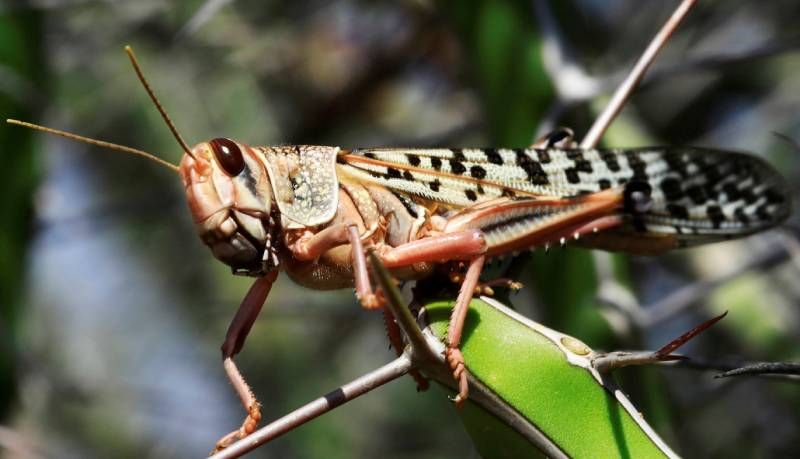 The climate has changed, the prolonged drought promoted the spread of locusts, but their appearance and directions of spread could have been forecast by monitoring the egg-layings and controlling the start of the migration. "Let's put it this way, no one carried out such monitoring, mainly because of the military operations, since the locusts were spreading from the front-line regions. Now it is very difficult to fight the locusts, comprehensive measures are needed. Earlier, about 20 years ago, when there was an outbreak of locust spread in the Donetsk region, aviation was used for a rapid response. Unfortunately, now aviation is unavailable because of, again, the military operations, so the fight against locusts is complicated," says Serhii Korniushenko.
Moreover, says the specialist, in the southern regions, in that same Mykolaiv region, sunflower is already simply "burning up" because of the drought and heat, farmers are no longer hoping for a harvest. Accordingly, they have neither the means nor the desire to fight for such crops.
"Locusts fly from place to place fairly quickly, so one needs to react very quickly too. Systemic insecticides do not solve the problem. Well, you have treated the crops, but the locusts will not die until they have eaten the treated plants. There are fumigation machines that spray insecticide, but here too one needs to react very quickly. Moreover, one cannot predict the direction of the wind, and locusts often fly with the wind," explains Serhii Korniushenko.