2025
The spider mite threatens the harvest in the Dnipropetrovsk region. Because of the hot and dry weather the spider mite is rapidly spreading. It damages the crops of soybean, sunflower, maize, vegetables and fruit. The infestation can destroy up to 60% of the harvest. This was reported in a comment to SuperAgronom.com by Serhii Korniushenko, agri-technology development manager for the Southern region of LNZ Group.
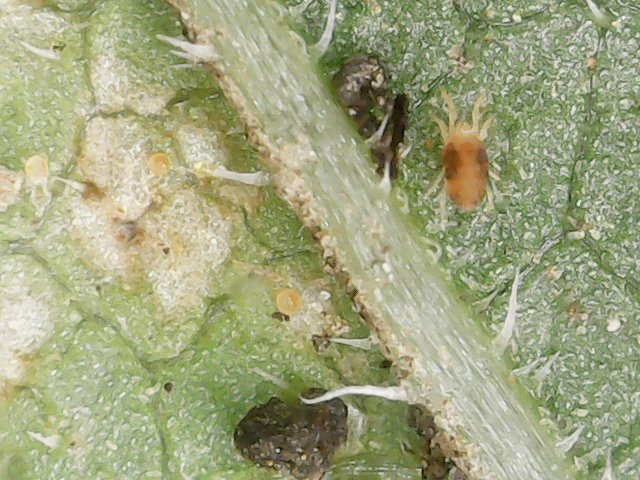 The mite reproduces actively at a temperature of +29…+31 °C and low humidity. Its high reproductive capacity makes it possible to cause enormous losses in a short period of time. We advise checking the crops as soon as possible and taking appropriate measures. The presence of the finest cobweb, the generally depressed appearance of the plants and their seemingly causeless wilting, small yellow and black dots on the leaves (primarily on the underside).
From the end of May-beginning of June farmers observe an atypical corrugated state of the young leaves on sunflower plants. It is especially characteristic of intensive sunflower varieties that quickly gain vegetative mass. "As a result of the damage by spider mites, the photosynthetic potential of the crops decreases. The plants lag significantly behind in growth, which will have a negative effect on the yield of the crop. It should be noted that until recently spider mites hardly damaged sunflower, preferring soybean, vegetable and fruit crops. But climate change leads to the spread of new species of the pest, atypical for Ukraine, which pose a serious threat to crop production," says Serhii Korniushenko.
Given the hot June weather, which according to forecasts will be characteristic of the entire territory of Ukraine, the speed and intensity of mite reproduction will increase significantly, and the activity of the mobile stages and their harmfulness will grow too.
According to him, in order to prevent the spread of the pest and possible yield losses, we recommend treating the crops when the mobile stages (imago, larvae, nymphs) of the pest appear with a highly effective acaricide, safe for the beneficial entomofauna, with a long protective action, Mirald (fenpyroximate, 50 g/l) 0.7–1.15 l/ha.
This is a highly selective contact acaricide that has a fast knockdown action, causes instant paralysis of the parasites and destroys them at all stages of development: larvae, nymphs and adults.