2026
 Due to the climate changes observed in recent years and producers' desire to reduce the cost part, a reduction in the number of tillage operations is observed.
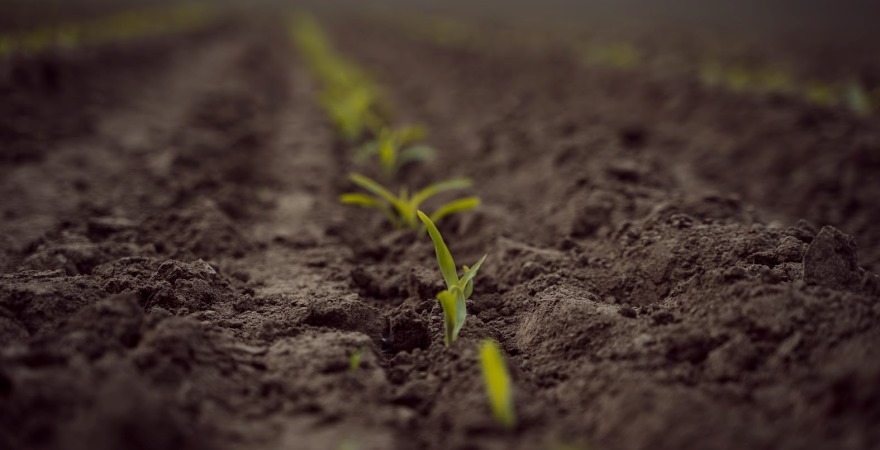 This was reported by the agri-technology development manager for the north-eastern and western region of LNZ Group, Serhii Uvarov. He singles out two main tillage mistakes that can negatively affect corn yield: the quality of the operations performed and the reduction in the number of tillage passes.
"The method of tillage for corn is determined taking into account the soil type, the previous crop, the weather and climatic conditions and the degree of field weed infestation. Most Ukrainian farmers use classic tillage, which involves ploughing with full soil turning, which ensures the incorporation of plant residues, organic and mineral fertilisers into the lower soil layers. Thanks to good loosening and distribution of nutrients in the upper soil layer, optimal conditions are created for corn growth and development. In spring — moisture retention and two cultivations."
The expert singles out two operations that farmers definitely drop from tillage, namely — stubble discing, but this depends on the previous crop, and one of the spring cultivations.
In Serhii Uvarov's opinion, stubble discing is one of the key tillage operations, the purpose of which is:
- chopping plant residues;
- stimulating the germination of weeds and volunteers for their subsequent destruction;
- retaining moisture and preparing the field for ploughing, which improves the soil structure and prevents the development of diseases and pests.
"Carrying out only one cultivation is driven primarily by the weather conditions in spring. In order not to dry out the seedbed and to place the seed in moist soil, farmers carry out one cultivation. But for quality decomposition it is necessary to level the soil surface well. The distribution of corn seed has a decisive impact on yield. Uniform sowing ensures good germination and plant development, preventing losses due to gaps or 'doubles'," explains Serhii Uvarov.
The expert also named the consequences of an uneven soil surface:
- the plant stand density per 1 ha will be different;
- too thin or too dense crops reduce yield;
- incorrect depth and uneven germination lead to significant losses of yield potential.
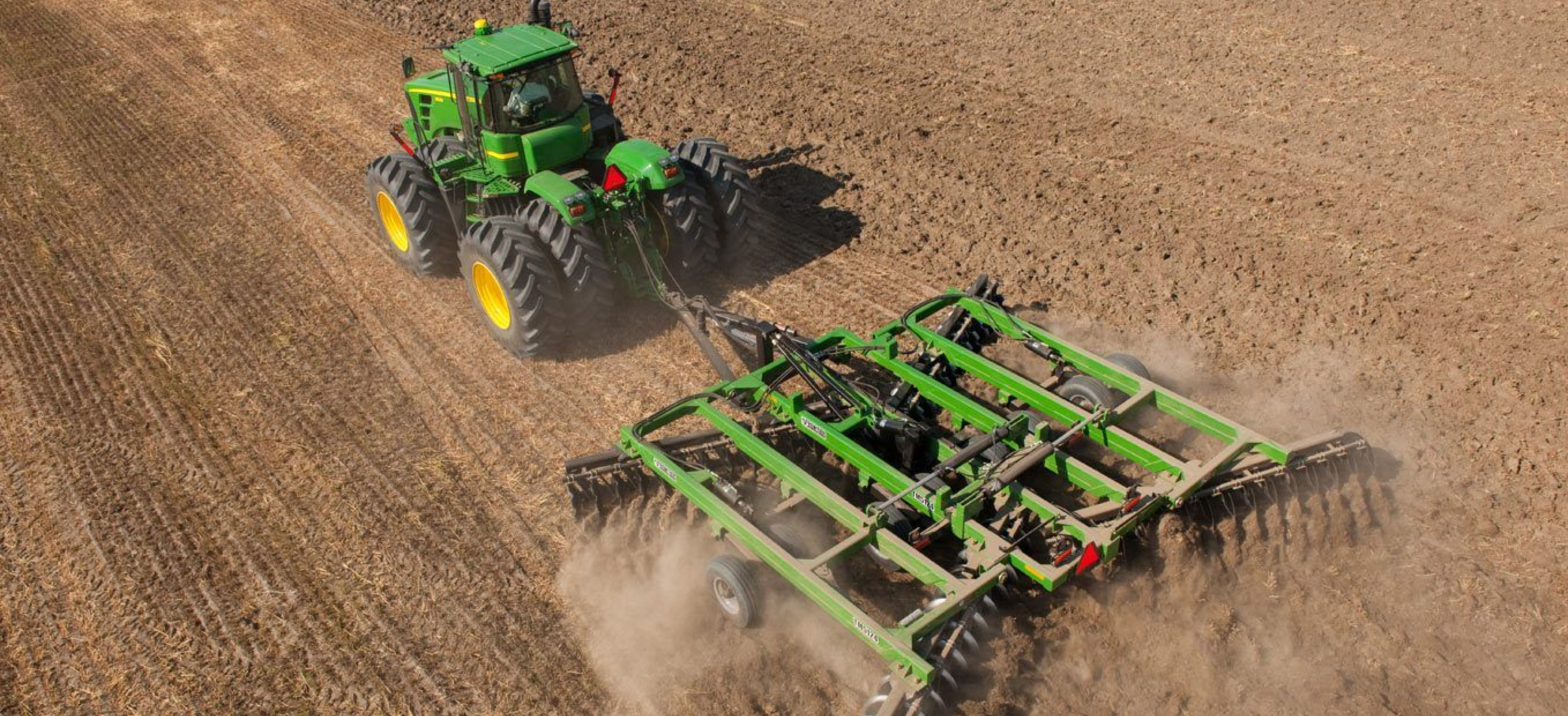 Serhii Uvarov names as another tillage mistake the untimely start of spring work in the field. According to him, carrying out field work before the soil's physical ripeness causes the formation of ruts after the tractor passes and the formation of large dense clods, which in turn affects uneven seed germination and the efficiency of using soil herbicides.
Too-late tillage, this concerns pre-sowing cultivation, leads to moisture loss and, as a consequence, to a reduction in the field germination of the seed and a reduction in the germination rate. Drying out of the upper soil layer leads to a reduction in the efficiency of using soil herbicides or generally to the inexpediency of their application.
"One should not disregard the technological element — tillage, since it occupies a large percentage in the formation of the future harvest. When choosing an expensive hybrid with high yield potential, the technological process does not end with one fertilisation. To obtain a high harvest, all elements of the technological process must be taken into account," Serhii Uvarov is convinced.