2019

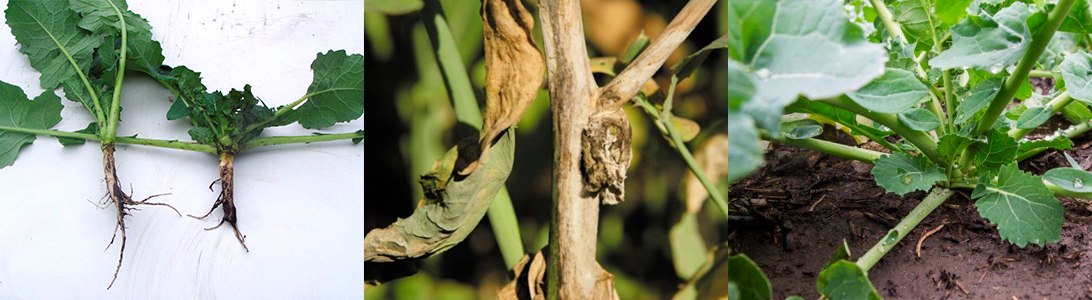
Root rots of rapeseed show a range of symptoms depending on the pathogens that cause them. In the growth stage from emergence to four leaves, plants show signs of Pythium root rot: the root collar is thinned, brown, sometimes uncoloured. Plants lag behind in growth, turn yellow or dry out completely. In case of severe infection they almost always die, which is what causes thinning of the stands. The disease is caused by fungi of the genus Pythium (fig. 1), the most common of which is the species Pythium ultimum var. ultimum Trow
Much less frequently, representatives of the genera Fusarium Link (fig. 2), Rhizoctonia DC, Alternaria Nees were found.
At later stages of plant development, as the root system becomes stronger, fungi of the genus Pythium cannot
cause the death of plants, but as a more aggressive species, these fungi are able to infect living root cells, thereby facilitating the penetration of other fungi of the genus Fusarium (Fusarium avenaceum (Fr.) Sacc, F. oxysporum Schlecht., F. solani (Mart.) Sacc., F. sambucinum var. minus Wollenw.). There are also representatives of the Mycelia sterilia group, in particular Thanatephorus cucumeris (A.B. Frank) Donk, known as Rhizoctonia solani J.G. Kühn).
With such complex infection, the disease causes various symptoms on the taproot and root collar in the form of lesions, tissue rot and death of secondary roots. All this leads to stunted plant growth, general weakening and, at a severe level of development, to plant death.
If fungi of the genus Rhizoctonia predominate in the pathogen complex, the disease will develop as typical brown ring rot. At first, most of the affected plants have small elongated dark brown spots located next to each other, thus girdling the root. When they merge, the taproot rots. It is destroyed quite quickly, leaving only a cone up to 2-3 cm long. Such plants are easily pulled out of the ground. They are sensitive to drought and lodge in strong gusts of wind. In some cases, a secondary root system may form above the site of damage, but the plants remain suppressed and unable to develop normally. Such plants may remain in the crop for some time, indistinguishable from a healthy plant, but such damage prevents the formation of a high-quality yield; the seeds formed are small, shrivelled and lightweight.
Root rots are caused not only by soil fungi, but also by unfavourable conditions for seedling development. The disease develops most with excess moisture, particularly combined with high temperature, or when a soil crust forms during emergence, or on heavy and acidic soils. Root rots are more pronounced in dense stands, so increasing the seeding rate not only fails to solve the problem but makes it worse.
The specific features of root rot pathogens – their ability to infect plants at all stages of organogenesis, rapid development in plant tissues, the ability to produce huge amounts of reproductive sporulation under optimal conditions and to survive in the soil for a long time – create considerable difficulties in controlling this disease.
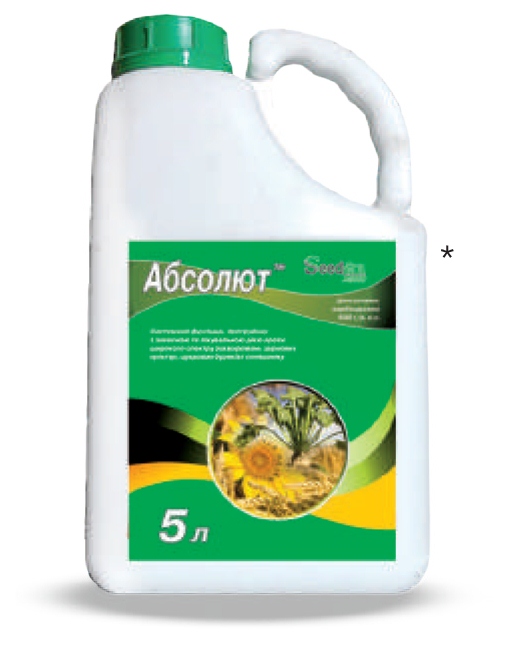
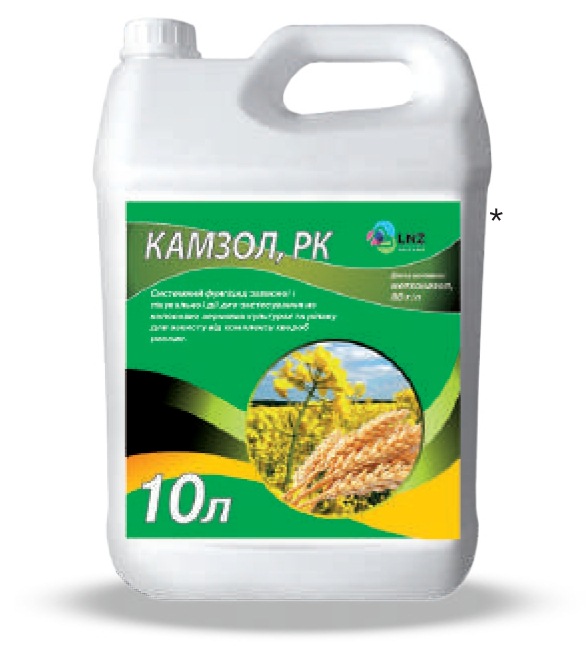
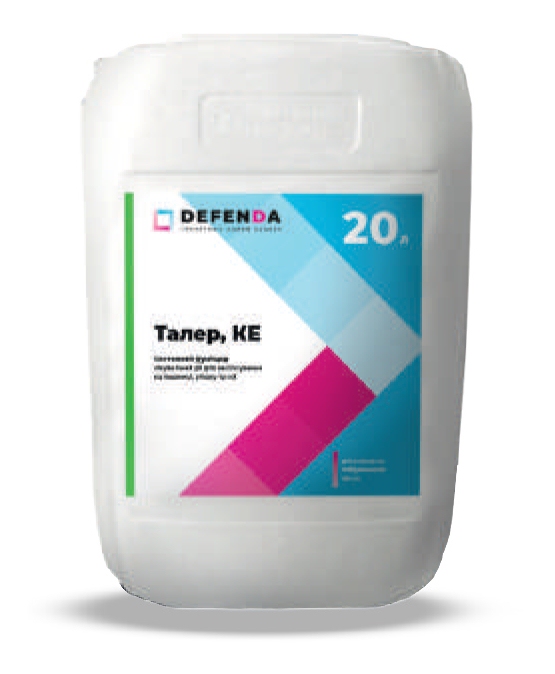
It is impossible to ensure protection with just one agronomic or chemical measure. It is very important to use an integrated approach: follow crop rotation, cultivation practices and seeding rates in combination with the use of fungicides: Absolut, SC (carbendazim 500 g/l) 0.5-1 l/ha, Kamzol, SL (metconazole 60 g/l) 0.75-1.25 l/ha, Taler, EC (tebuconazole 250 g/l) 0.5-1.0 l/ha.